


Before the Screens Go Dark: Why Security Awareness Training Matters

It’s 8:42 in the morning when employees begin realizing something isn’t right. Logins are failing, email refuses to load, shared files are suddenly inaccessible, and what initially looked like a routine technical glitch quickly escalates into confusion, tension, and a flood of urgent questions, until someone notices the message on the screen: files encrypted, payment demanded, operations halted, and an entire workday derailed before it has truly begun.

Despite how dramatic these situations feel, most security incidents don’t actually begin at the moment the disruption becomes visible. The real starting point is often much quieter and far less obvious, typically rooted in everyday decisions that seemed harmless at the time. A login is shared because requesting access feels slower. A random file is quickly downloaded to meet an impending deadline. A software update is postponed to avoid interrupting work. An email that appears legitimate is trusted without hesitation.
Individually, these actions rarely trigger alarms. In context, they are the kinds of choices employees make constantly while trying to stay productive, helpful, and efficient. Yet these ordinary moments are exactly where risk begins to accumulate.
Security awareness training exists to address this gap between intention and impact. Rather than attempting to turn employees into cybersecurity specialists, effective training focuses on helping people recognize how attackers operate, how common threats are disguised, and how small workplace habits can unintentionally introduce vulnerability. Employees learn why password sharing creates exposure, how phishing emails mimic legitimate communication, why updates matter beyond simple maintenance, and how seemingly minor shortcuts can carry serious consequences.
This understanding fundamentally changes how decisions are made. When employees can identify subtle warning signs, question unusual requests, and pause before acting on something that feels slightly off, the organization gains an additional layer of protection that technology alone cannot provide. Security tools remain essential, but their effectiveness increases significantly when paired with a workforce that understands the risks those tools are designed to mitigate.
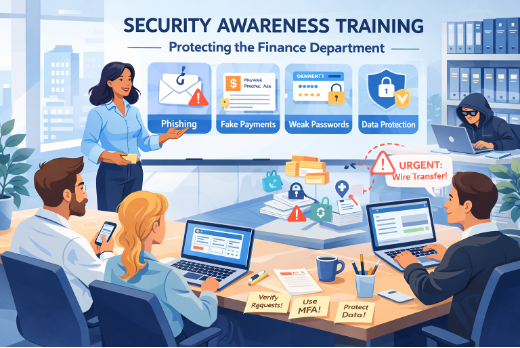
For business leaders, the value of awareness training extends well beyond compliance. Organizations that invest in ongoing education often experience earlier reporting of suspicious activity, fewer preventable incidents, and a noticeable shift in security culture. Employees become more comfortable speaking up, asking questions, and viewing security policies as safeguards rather than obstacles.
When a security incident finally surfaces, it may feel sudden, chaotic, and unavoidable. In reality, many incidents are the result of risk that was built gradually through a series of completely normal decisions.
Security awareness training helps ensure those everyday moments strengthen the business instead of exposing it.
About the Author
Sarah Rumph is a Cybersecurity Intern at Runtime Cyber Defense, where she supports research, threat analysis, operations and maintenance and client education initiatives. She is currently pursuing a degree in Cybersecurity and a major contributor to Runtime Cyber Defense.


Comments